Coal has been used as a primary energy fuel across Siberia but in recent years this has been changing. Finding an optimum balance between transitioning from coal, increasing production of wood pellets but not at the expense of reducing carbon sequestration is an ongoing challenge. In 2012 the national Ecology project launched a range of initiatives such as reducing air pollution, however climate change also has a say with extreme weather conditions affecting dispersion and volume of particulate matter. Gas is being considered as a energy fuel for Krasnoyarsk but the researchers wanted to detail the environmental and economic impact for wood pellets specifically.
There were around 120 days with unfavourable meteorological conditions in the area between 2012-2023 (Syrtsova et al., 2024) increasing air pollution. There is a mix of private and industrial heating with domestic use such as room heating or cooking, to variation in cleaning processes in wider industrial premises. The researchers noted that in other countries, coal transition has been less successful in colder cities.
The researchers mapped the energy supply for Krasnoyarsk into polygons, used textual analysis across media regarding relevant comments, and interviewed residents. They used international emissions factors to split into tiers, T1 for coal and T2 for pellets. Approximately 88% of private residents were using coal or wood. Initiatives to reduce coal have included free provision of smokeless briquettes, switching to electric heating both of which reduced emissions, however residents occasionally switched back to coal for economic reasons.
Since 2022 there are also combined fuel, fully or co-financed environmental heating options. Residents continue to cite pricing as the main reason for not transitioning or as quickly, and sometimes the construction impact on their residences affecting their preferences. Residents are potentially willing to switch to district rather than fully private heating if financially viable. So are pellets an option?
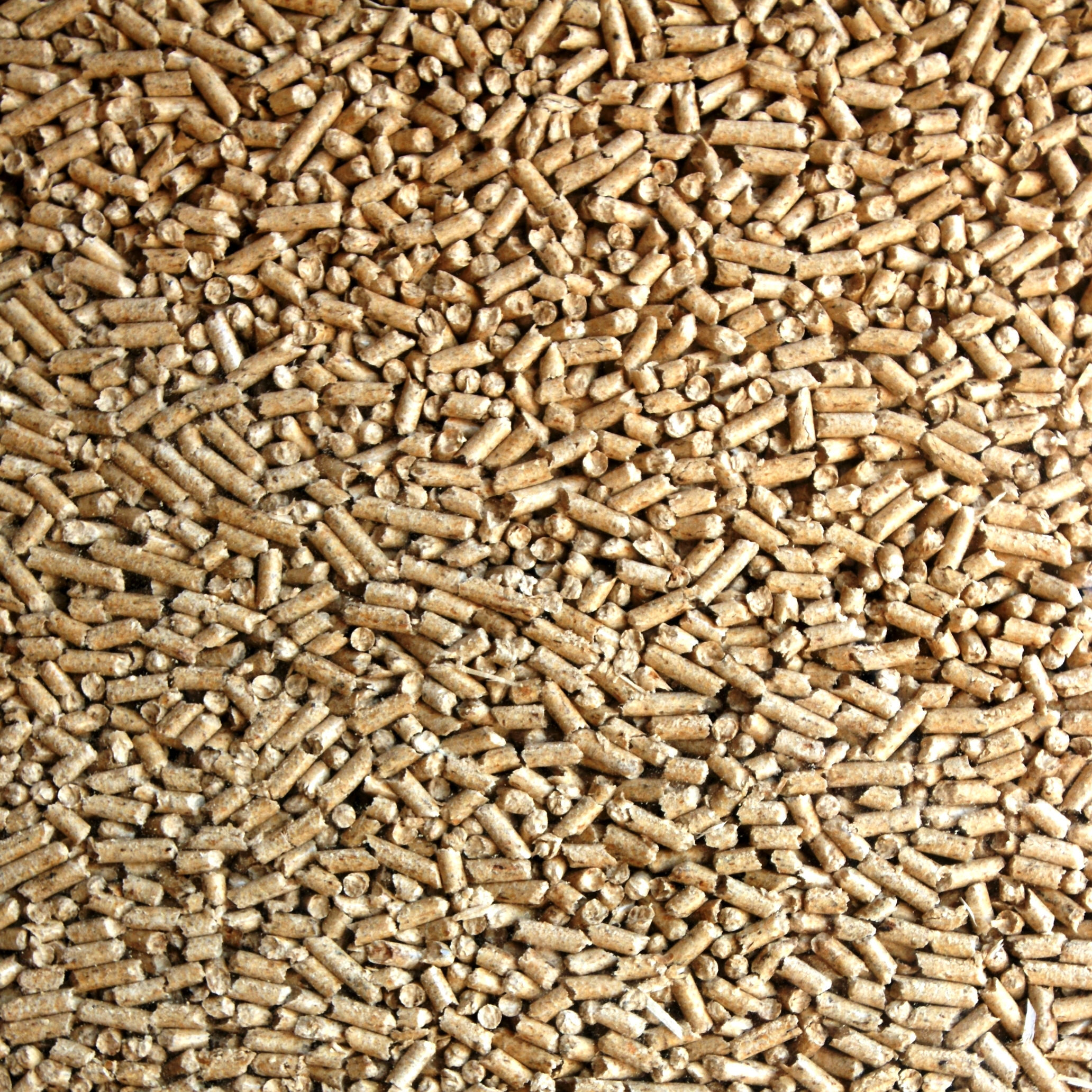
The Russian pellet market has grown rapidly since 2015 with a mix of export and internal use. With the European temporary ban on exports, Russia has exported elsewhere where it is economically helpful. There are also state subsidies and to reduce the transportation costs (and emissions) there is interest in local pellet heating for municipal boilers as well as domestic heating. The researchers found that the environmental impacts are not straightforward:
Waste from forest products makes up 23% of the total bioenergy potential in Russia. However, increasing biomass consumption is causing combustion to occur at a faster rate than reforestation. Some recent studies show that the use of biomass is even more detrimental in reducing net greenhouse gas emissions than the use of fossil fuels [53]. In addition, the growing demand for biofuels means that not only sawmill waste but also round wood itself is now used for their production, which is in conflict with the original concept of the “cleanness” and “environmental friendliness” of pellets [44,54]
(Syrtsova et al., 2024), https://doi.org/10.3390/en17030640
…Various studies show that burning pellets instead of burning coal results in lower overall emissions of pollutants [55,56], including emissions of particulate matter and sulfur dioxide [57–59]
Pellet production was estimated to reach 135,000 tonnes in Krasnoyarsk for 2022. Overall the emission factors were considerably lower with wood pellets especially carbon monoxide and sulphur oxides. They estimated the cost of pellet heating per 100m square household to be bewteen 5.8-6.5,000 rubles (approx £57) and the initial pellet boiler between 180-205,000 rubles (approx £1,800). When implementing at scale e.g. 6,500 households, initial costs are approximately 1,548 rubles (approx £13) assuming standard pellet boiler installation with 10 years operating life and maintenance. They believe a subsidy would be approximately 216.5 million rubles per year to cover the income shortfall.
To continue this project, all households would need to be included in polygons, analysis of different housing material types currently, information campaign to increase awareness of pellet possibilities for both industrial and domestic use
Syrtsova EA, Ivantsova ED, Miskiv AS, Zander EV, Pyzhev AI. Costs of Coal Abatement for Residential Heating to Reduce Urban Air Pollution in Asian Russia: Evidence from Krasnoyarsk. Energies. 2024; 17(3):640. https://doi.org/10.3390/en17030640

 Russian Climate Research