248,000 water samples between 2011 and 2022 were recently investigated by researchers at the East-Siberian Institute of Medical and Ecological Research, in Angarsk. Lake Baikal is the world’s largest freshwater lake. It is a UNESCO protected site, also protected in Russian national legislation. Chemical engineering and agro-industrial sites in the region also access the water, alongside tourists visiting from across the world.
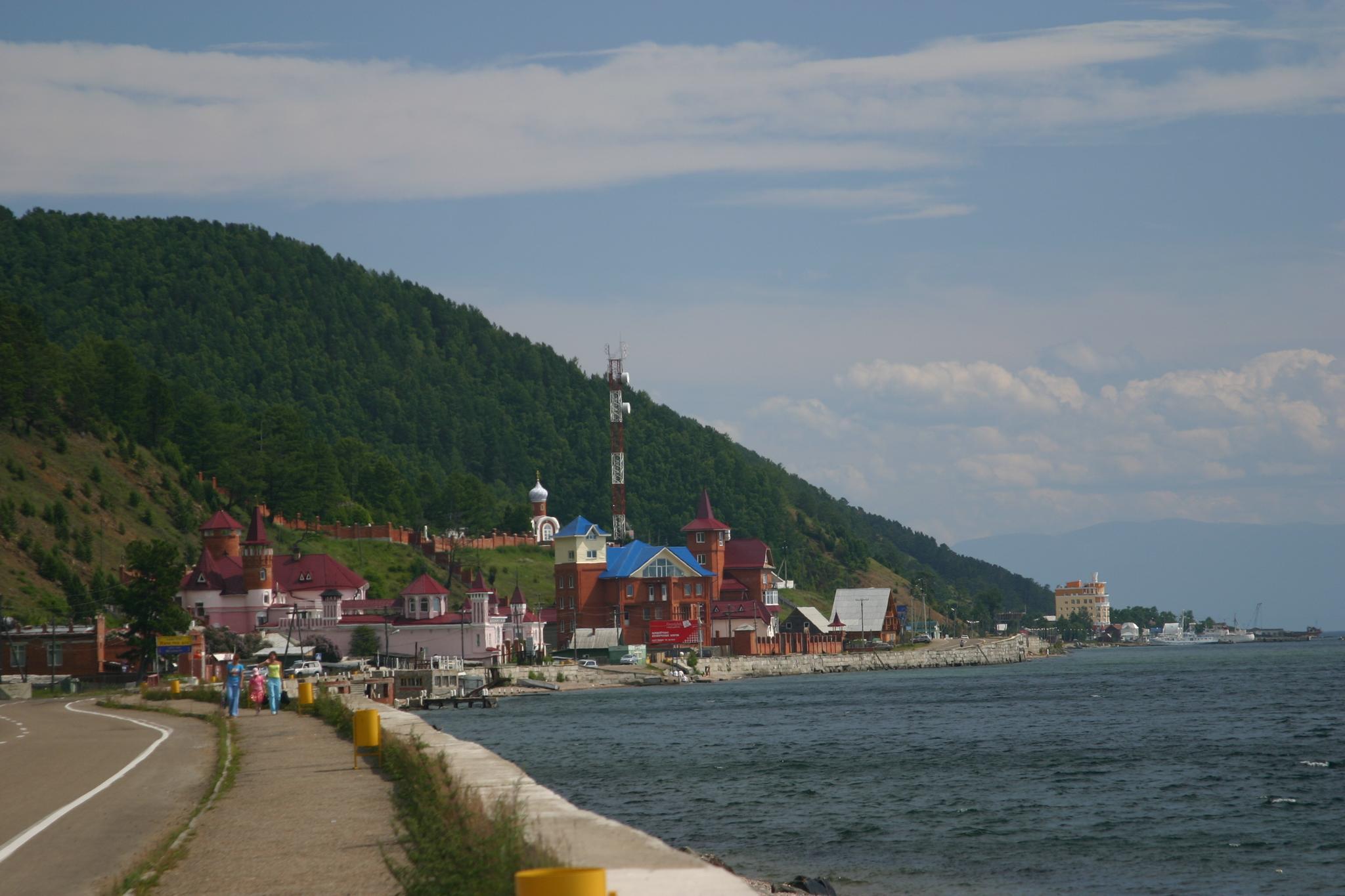
The researchers wanted to understand more about the water sources residents use, the impact from extreme weather events such as flooding, snow melt changes; and the contribution of disinfectants. It is well known that changes in flooding affect water quality in rivers and groundwater across the world. Water sources include groundwater and surface waters, with the largest residential areas – Irkutsk, Angarsk and Usolye-Sibirskoye consuming water from the Angara river which flows out of Lake Baikal, compared with rural areas using underground sources.
They reviewed data from Baikal Information Center and interviewed 60 people across the region. They completed chemical analysis across elements found in the samples and calculated formulas to establish what might be in typical daily doses consumed by the population. The urban population use tap water and a small percentage drink bottled water regularly whereas more rural areas consumed less, possibly because of water availability.
13 rural settlements were considered to have unhealthy water based on concentrations of iron, manganese, nitrates and 5 administrative areas were at an unsafe risk level that can cause cancer or other terminal disease. On the microbial side, coliform and salmonellae bacteria were enjoying increased access from higher levels of flooding, although these are treated by disinfectants such as chlorine. However increased use of chlorine can also be unsafe.
Overall they found that increases in human activity produced more nitrates. They found evidence of fertilisers affecting groundwater supply in rural areas. They suggest continuing to monitor the risk levels affected by higher rainfall and increased flooding and how best to safely disinfect water during these phases. Future research will identify health risk and prevention measures.
Rukavishnikov VS, Efimova NV, Savchenkov MF, Mylnikova IV, Lisovtsov AA, (2024),
Quality of drinking water and risk to the health of the population of the south Baikal region (Russia), Emerging Contaminants, 10 (2), https://doi.org/10.1016/j.emcon.2024.100300

 Russian Climate Research