Mining and potential toxic elements (PTE) causing soil contamination is an internationally researched issue due to the transfer and resilience of the metallic elements in the soil affecting ecosystem health. Metals move from mining dump sites either as airborne elements or through plant root structures into the soil.
The researchers studied the Vilyui plain on the Central Siberian Plateau in Yakutia. There isn’t much rain, some sunshine, mostly snow cover for over 2/3 of the year and varying thickness of permafrost. The temperature varies from +34 to -64°C. The soils are classified as ‘moderately cold’ taiga and the boreal forest is mostly larch trees.
Soil samples ranging between 0 and 20cm depth were taken in and around the mining pit areas, approximately 18km from the nearest city. Plant were analysed through leaf sampling of shrubs, keeping them unwashed, grinding into powder and also sending to laboratories for analysis.
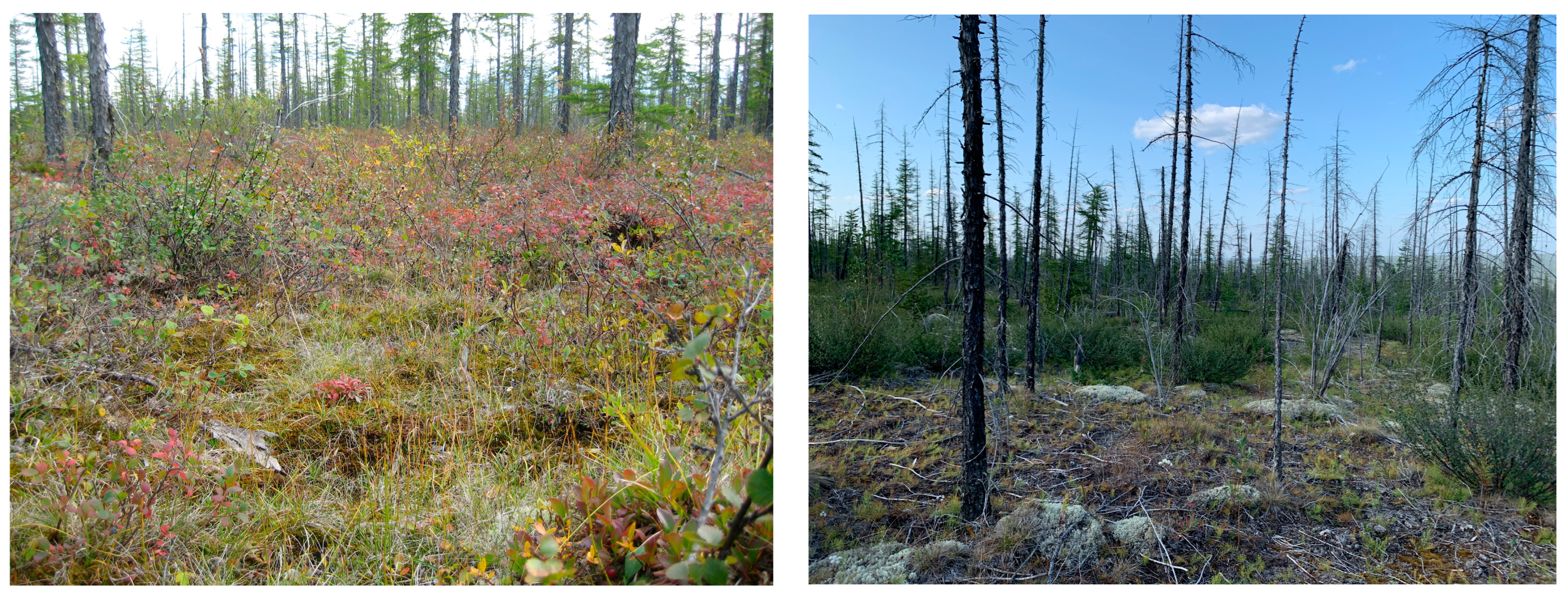
They created calculations for a pollution index and a pollution loading index, also measuring bioaccumulation of the plants’ ability to absorb PTEs. They completed chemical and statistical analysis to verify soil organic matter, pH levels and the heavy metals including lead, magnesium, nickel, zinc, cobalt, copper, chrome etc
They noted that historically it was difficult to measure vegetative pollution because chemicals initially stimulate plant activity which then falls. They found high volumes of PTEs in the soil, especially 100-500m from the mining infrastructure. This led to lower volumes of enzymes that the plants need. One species – Betula middendorffii showed greater resistance to PTEs, compared with Duschekia fruticosa.
For future industrial pollution research, they recommend using Duschekia fruticosa leaves for biochemical analysis ando Betula middendorffii leaves for ecological and geochemical analysis
Gololobova, A.; Legostaeva, Y. An Assessment of the Impact of the Mining Industry on Soil and Plant Contamination by Potentially Toxic Elements in Boreal Forests. Forests 2023, 14, 1641. https://doi.org/10.3390/f14081641

 Russian Climate Research